


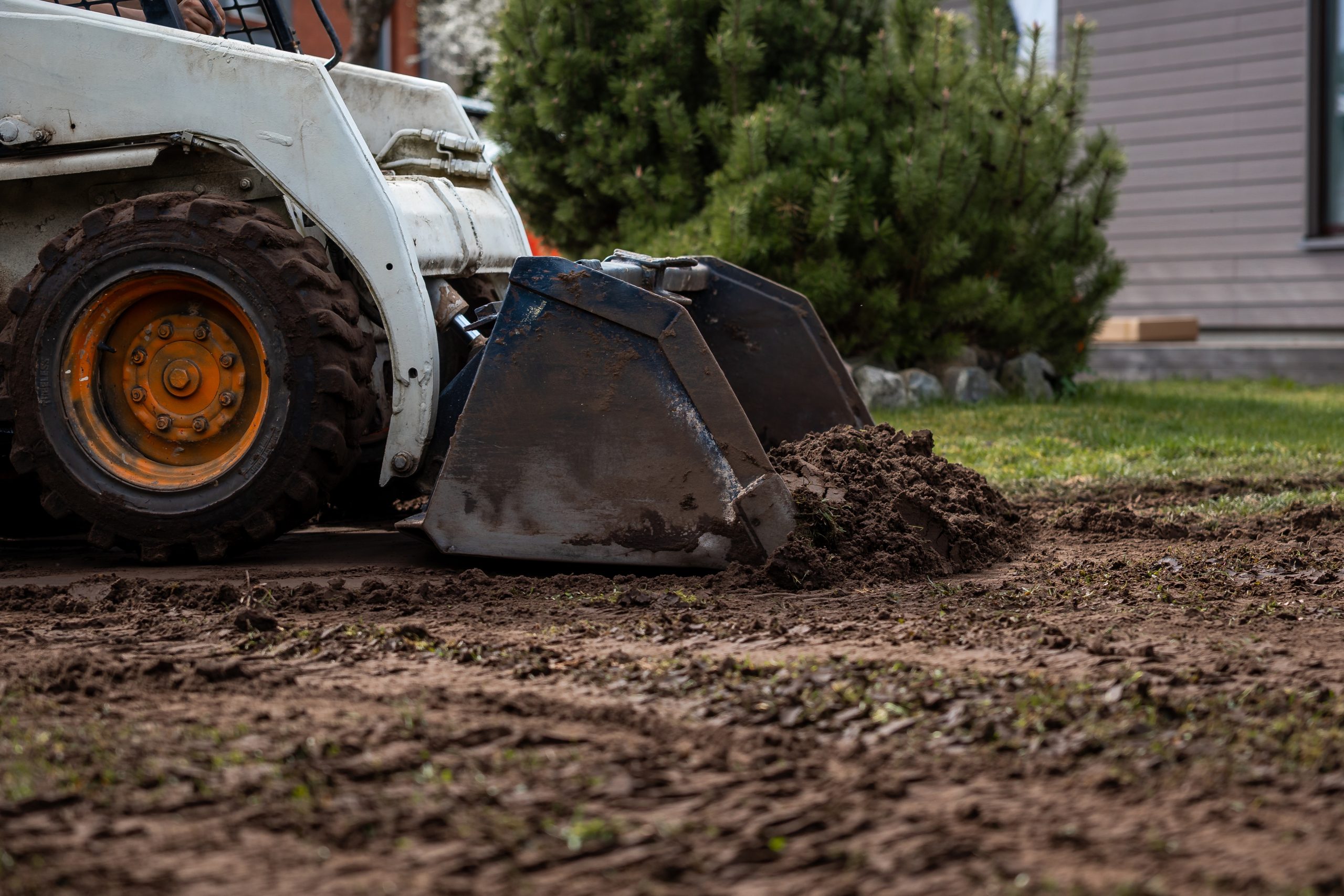

When most people think about topsoil, they picture spring projects—new lawns, landscaping, garden beds, and fresh grading. But in Southwest Ohio, especially around Middletown, Dayton, and Springboro, winter is one of the most important seasons to understand how supply, demand, and soil conditions change. For contractors and homeowners who plan ahead, winter can be the difference between staying on schedule and losing weeks once the spring rush hits.
What Happens to Topsoil in the Winter Months
Southwest Ohio winters bring constant freeze-thaw cycles. As moisture in the soil freezes, it expands; as it thaws, the soil can loosen or clump depending on its texture. You’ll often see crusted or semi-frozen layers on top of stockpiles that break apart easily as daytime temperatures rise. Even in cold weather, topsoil remains usable—just heavier, wetter, and sometimes slower to spread.
One hidden advantage is that frozen or partially frozen ground provides better access for trucks and loaders on job sites, especially in areas like Middletown and Springboro where clay-heavy soil becomes difficult to work with once it fully thaws in early spring.
The Real Supply and Demand Curve
Winter can look calm, but the topsoil market is anything but quiet. Producers across the Dayton–Cincinnati corridor continue screening and stockpiling through winter weather windows. Larger contractors often reserve material months in advance to ensure they have enough for spring grading, lawn installation, and site work.
Demand shifts too. While homeowners slow down, builders, excavators, and municipal crews keep working—handling drainage repairs, backfilling, winter grading, and staging soil for early spring projects. That means topsoil is still moving steadily all winter even if it appears “off-season.”

Why Waiting Until Spring Creates Delays
Every year, the first warm week in March sends demand skyrocketing across Southwest Ohio. Contractors, landscapers, and homeowners all need material at the same time, leading to limited trucking availability and longer lead times. Planning in the winter—especially for bulk loads in the Dayton–Middletown–Springboro region—keeps projects moving and avoids the annual April bottleneck.
Quality Holds Up When Managed Correctly
Properly screened and stored topsoil stays high-quality through winter. While the surface may harden or freeze overnight, the material underneath remains consistent and breaks apart easily once handled with equipment. The key variables affecting quality are screening, cleanliness, and moisture—not the season itself.
Planning Ahead Pays Off
For anyone working in construction, landscaping, homebuilding, or excavation throughout Southwest Ohio, winter is the ideal time to schedule spring topsoil needs, lock in volume, and secure delivery windows before the rush. Whether you’re prepping a residential project in Springboro, managing a site in Middletown, or handling commercial work in Dayton, early planning helps control costs and keeps timelines intact.
Oakley Sand & Gravel continues supplying screened topsoil, sand, and gravel throughout the winter months, helping local contractors and homeowners avoid spring delays and stay ahead of demand.